Digital Footprint Report
Periodontal Bone Loss & Early Detection of Deteriorating Bone Support
A comprehensive analysis of online behavior, trends, and information related to people experiencing subtle signs that periodontal bone support is beginning to deteriorate.
Introduction
Periodontal bone loss often begins with subtle signs that are easily missed. Early detection and intervention are crucial for preventing progression to advanced stages that can lead to tooth loss and more complex treatments. This report provides valuable insights into online behaviors, search patterns, and effective content strategies to educate patients about these early warning signs.
Why Early Detection Matters
In its early stages, periodontal bone loss can be addressed with minimally invasive treatments, often with better outcomes and at a fraction of the cost of treatments for advanced disease.
However, many patients and even some dental professionals miss the subtle signs that indicate bone support is beginning to deteriorate, leading to missed opportunities for early intervention.
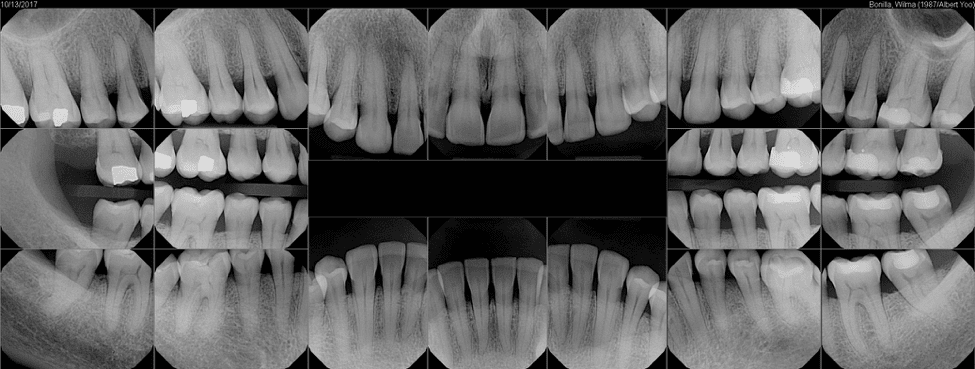
X-ray images showing progression of periodontal bone loss
Top 10 Sites Ranking for Periodontal Bone Loss Information
American Academy of Periodontology
Professional organization providing authoritative information on periodontal health.
www.perio.orgMayo Clinic
Comprehensive medical information about periodontitis symptoms and treatments.
www.mayoclinic.org/diseases-conditions/periodontitisCleveland Clinic
Detailed resources on periodontitis causes, symptoms, and treatment options.
my.clevelandclinic.org/health/diseases/16620-periodontitisNational Institute of Dental and Craniofacial Research
Government resources on periodontal disease research and patient information.
www.nidcr.nih.gov/health-info/gum-diseaseCenters for Disease Control and Prevention
Public health information on periodontal disease prevalence and prevention.
www.cdc.gov/oral-health/about/gum-periodontal-disease.htmlOverjet Dental AI
Advanced information on AI-powered detection of periodontal bone loss.
www.overjet.com/blog/how-to-detect-periodontal-disease-with-aiPubMed Central - Periodontal Disease StatPearls
Academic research and clinical information for healthcare professionals.
www.ncbi.nlm.nih.gov/books/NBK554590/PerioSynergy
Specialized information on early detection and intervention for periodontal disease.
periosynergy.com/early-detection-in-periodontal-diseaseBaroudi Periodontics
Clinical insights on the importance of early detection in periodontal disease.
baroudiperio.com/the-importance-of-early-detection-in-periodontal-diseaseTop 30 Keywords Being Searched
These are the most common search terms used by people concerned about early signs of periodontal bone loss and seeking information about detection and treatment options.
Search Volume Distribution by Category
30 Benefits of Early Detection and Treatment
Identifying and addressing periodontal bone loss in its earliest stages offers numerous advantages for patients' oral and overall health.
Preservation of Natural Teeth
Early detection and intervention can prevent the progression of bone loss that would eventually lead to tooth mobility and loss.
Minimally Invasive Treatment Options
When detected in the earliest stages, periodontal bone deterioration can often be addressed with less invasive, non-surgical approaches.
Reduced Treatment Costs
Early intervention typically costs significantly less than treatments required for advanced periodontal disease and bone loss.
Prevention of Irreversible Damage
Unlike advanced bone loss, early-stage deterioration can often be halted or even partially reversed with proper treatment.
Maintenance of Facial Aesthetics
Preserving bone structure helps maintain facial contours and prevents the sunken appearance that can occur with significant bone loss.
Improved Success of Future Dental Work
Healthy bone provides a better foundation for any future dental restorations, implants, or cosmetic procedures.
Enhanced Overall Oral Function
Addressing bone support issues early helps maintain proper chewing function and speech capabilities.
Prevention of Gum Recession
Early treatment can prevent the gum recession that often accompanies progressive bone loss.
Reduced Risk of Systemic Health Complications
Periodontal disease has been linked to various systemic conditions; early intervention may reduce these risks.
Higher Success Rate of Bone Regeneration
Regenerative procedures are more predictable and successful when performed on early-stage bone loss.
Simplified Treatment Protocols
Early-stage bone loss typically requires less complex treatment approaches than advanced cases.
Shorter Treatment Duration
Addressing the issue early generally means shorter overall treatment time and fewer dental visits.
Ideal Customer Profile
Robert Anderson
48-year-old Corporate Manager
Psychographics
- Health-conscious but sometimes neglects preventive dental care
- Values long-term solutions over quick fixes
- Research-oriented when facing health concerns
- Quality-driven but price-sensitive for healthcare services
- Somewhat anxious about dental procedures
Technographics
- Regular smartphone and computer user
- Researches health conditions online before consulting professionals
- Participates in business-oriented social media (LinkedIn)
- Watches educational videos and webinars on health topics
- Uses health-tracking apps and digital calendars
Pain Points
- Notices occasional bleeding when brushing teeth
- Experiences mild discomfort in certain areas when flossing
- Has observed slight recession in some areas of his gums
- Concerned about a few teeth that seem slightly less stable
- Unsure if symptoms warrant professional attention
Goals
- Determine if his symptoms indicate actual bone support deterioration
- Identify minimally invasive treatment options if needed
- Preserve his natural teeth for as long as possible
- Understand the long-term prognosis with and without intervention
- Find a specialist who focuses on early detection and treatment
Buyer's Journey Analysis
Understanding the journey of patients from initial awareness of symptoms to seeking treatment is crucial for effective education and communication.
Online Behaviors
Search Engine Usage
Searches symptoms like "gum recession causes," "tooth feels loose," and "bleeding gums when brushing"
Medical Website Visits
Reads information on sites like Mayo Clinic, WebMD, and Cleveland Clinic about periodontal health
Dental Forums
Browses dental forums where patients discuss periodontal disease experiences
Video Consumption
Watches YouTube videos about periodontal disease, bone loss, and treatment options
Review Research
Reads reviews of periodontists and dental specialists in his area
Insurance Portal Visits
Checks dental insurance coverage details through provider's online portal
Offline Behaviors
Dental Check-ups
Attends routine dental examinations, though sometimes delays them
Self-Examination
Regularly checks his gums and teeth in the mirror for changes
Product Purchases
Buys specialized oral care products recommended for gum health
Professional Network Consultation
Discreetly asks colleagues or friends for periodontist recommendations
Pharmacy Visits
Consults with pharmacists about over-the-counter products for gum health
Insurance Phone Calls
Calls insurance provider to clarify coverage details
Journey Stages
Awareness Stage
- Notices subtle symptoms like occasional bleeding when brushing or mild gum recession
- Performs initial Google searches about these symptoms
- Reads articles about periodontal disease and bone loss on medical websites
- Watches general informational videos about gum health and bone support
- Begins to recognize his symptoms may indicate early bone support issues
Consideration Stage
- Searches specifically for "early signs of periodontal bone loss" and related terms
- Compares diagnostic approaches for detecting early bone loss
- Researches different types of dental specialists (general dentist vs. periodontist)
- Watches videos about specific diagnostic procedures like periodontal probing
- Reads articles about treatment options for early-stage bone loss
Decision Stage
- Narrows down to 2-3 periodontal specialists based on expertise in early detection
- Schedules initial consultations with selected specialists
- Prepares specific questions about his symptoms and potential diagnostic approaches
- Requests and reviews treatment plans and cost estimates
- Makes final provider selection based on comprehensive evaluation
Content Plan for Each Buyer Journey Stage
Strategic content tailored to each stage of the buyer's journey helps educate patients about periodontal bone loss while guiding them toward appropriate care.
Awareness Stage
Symptom Education
"7 Subtle Signs Your Teeth Are Losing Bone Support (Even If You Feel No Pain)"
Risk Assessment
"The Silent Progression: How Bone Loss Begins Years Before You Notice Any Symptoms"
Cause Analysis
"Beyond Brushing: The Hidden Factors That Could Be Causing Your Gums to Recede"
Early Warning
"The 3-Minute Mirror Check That Could Save Your Teeth: Spotting Bone Loss Before It's Too Late"
Visual Guide
"Healthy vs. At-Risk Gums: The Visual Differences Most People Miss (With Real Examples)"
Statistical Reality
"The Shocking Truth: Why 47% of Adults Over 40 Are Losing Jaw Bone Without Knowing It"
Consideration Stage
Diagnostic Exploration
"Beyond the Basic Dental Exam: How Modern Diagnostics Detect Bone Loss Before Symptoms Appear"
Specialist Selection
"General Dentist vs. Periodontist: Who Should You See for Early Signs of Bone Support Issues?"
Technology Insight
"The Technology Revolution in Periodontal Diagnostics: How Digital Imaging is Changing Early Detection"
Treatment Comparison
"Non-Surgical vs. Surgical Options for Early Bone Loss: A Comprehensive Comparison"
Cost Analysis
"The Financial Impact of Early vs. Late Intervention for Periodontal Bone Loss"
Timeline Explanation
"The Progression Timeline: What Happens if Early Bone Loss Goes Untreated?"
Decision Stage
Preparation Guide
"Preparing for Your Periodontal Assessment: What to Do the Week Before for Most Accurate Results"
Procedure Walkthrough
"What to Expect During Your First Periodontal Evaluation: A Step-by-Step Visual Guide"
Specialist Selection
"Finding the Right Periodontist for Early Intervention: The Qualifications That Actually Matter"
Technology Assessment
"The Diagnostic Technology Checklist: What Your Periodontist Should Have for Proper Early Detection"
Treatment Planning
"Understanding Your Periodontal Treatment Plan: Decoding the Terminology and Timeline"
Recovery Expectations
"The Minimal Downtime Reality: What Recovery Actually Looks Like for Early Intervention Treatments"
Top SEO-Optimized Content Ideas
Strategic content designed to answer questions, educate patients, and guide them through the process of identifying and addressing early periodontal bone loss.
Top Questions
-
"The 30-Second Gum Test That Could Reveal Hidden Bone Loss: Are You Brave Enough to Try It?"
-
"Is Your Dentist Missing These 5 Subtle Signs of Bone Loss? The Diagnostic Gap That's Costing Patients Their Teeth"
-
"Why Some People's Teeth Feel Loose Years Before Others: The Bone Support Secret Your Dentist Might Not Be Checking"
-
"The Morning Habit That's Secretly Destroying Your Jaw Bone (And It's Not What You Think)"
-
"Could Your Slightly Bleeding Gums Be the Tip of a Bone Loss Iceberg? What Dental X-Rays Often Miss"
Article Titles
-
"Early Signs of Periodontal Bone Loss: The Complete Visual Guide to Subtle Symptoms Most People Miss"
-
"Bone Support Deterioration in Teeth: How to Identify the 7 Early Warning Signs Before Damage Is Permanent"
-
"Periodontal Bone Restoration Techniques: A Comprehensive Comparison for Early-Stage Deterioration"
-
"Dental X-Ray Analysis for Bone Loss: What the Subtle Changes on Your Radiographs Actually Mean"
-
"Non-Surgical Treatment Options for Early Periodontal Bone Loss: What Works According to Research"
Video Ideas
-
"I'm a Periodontist: Here's What Early Bone Loss Actually Looks Like (Before You Feel Anything)"
-
"The 3-Minute Self-Check for Early Bone Loss: How to Spot the Signs Before Your Dentist Does"
-
"We Analyzed 1,000 Dental X-Rays: Here's How Early Bone Loss Actually Appears (With Real Examples)"
-
"The Subtle Gum Changes That Reveal Bone Loss is Beginning: A Visual Guide for Patients"
-
"What Actually Happens During a Comprehensive Periodontal Exam: Full Procedure Walkthrough"
Key Takeaways
Early detection of periodontal bone loss is critical for preventing progression to more serious stages that require invasive treatments and may lead to tooth loss. The subtle signs of bone support deterioration often go unnoticed by both patients and dental professionals.
By understanding the online behaviors, search patterns, and journey of patients experiencing these early symptoms, dental professionals can better educate and guide them toward appropriate care before significant damage occurs.
The content strategies outlined in this report provide a roadmap for effectively reaching and educating patients at each stage of their journey, ultimately improving oral health outcomes through earlier intervention.