This Truth Might Surprise You.
Doctor, I need dental implants, but my dentist says I don’t have enough bone. Does that mean I’m out of luck?
I hear this question almost daily in my practice, and I can see the disappointment in my patients’ eyes when they think their dream of a complete smile is slipping away.
After 35 years of helping people restore their smiles, I’m here to tell you something that might surprise you: you may still be a candidate for dental implants, even without traditional bone grafting.
Let me share what I’ve learned over three decades of practice about your options.
The Bone-Implant Connection: Why It Matters

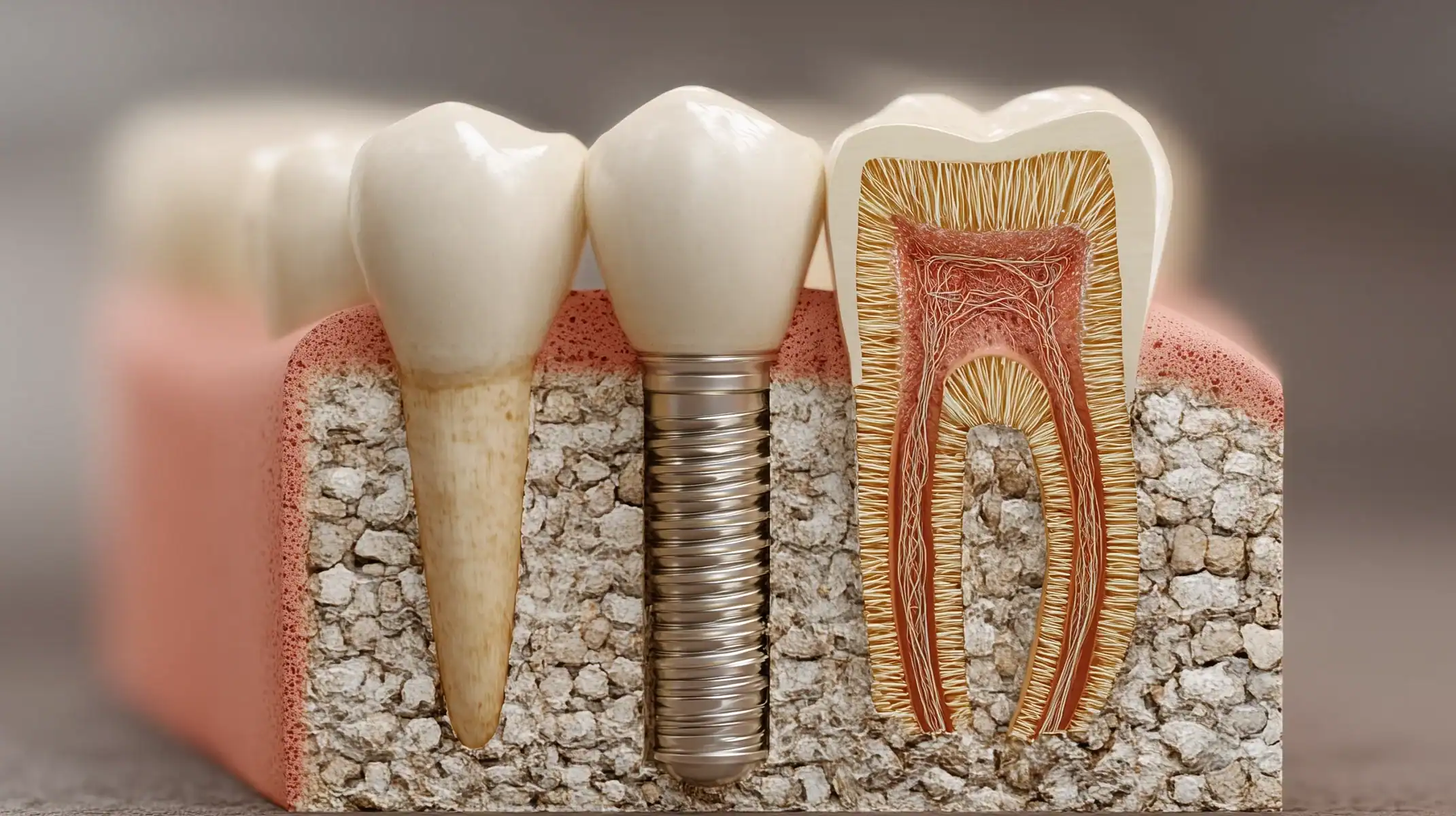
Think of dental implants like fence posts in your backyard. Just as a fence post needs solid ground to stay upright, dental implants need adequate bone to provide a stable foundation. When you lose a tooth, the bone that once supported it begins to shrink away – it’s like the ground eroding around that fence post.

This bone loss happens faster than most people realize. Within the first year after tooth loss, you can lose up to 25% of your bone width. By year five, that number can climb to 50% or more. It’s your body’s way of saying, “We don’t need this bone anymore since there’s no tooth to support.”
When Traditional Thinking Says “No,” Modern Dentistry Says “Maybe”
For years, the standard answer was simple: no bone, no implants. Period. But here’s where things get exciting – dental technology has evolved dramatically, and so have our options.
Short Implants: Small but Mighty
One game-changing option is short implants. These are typically 6mm or less in length, compared to traditional implants that can be 10-15mm long. Think of them as the difference between a regular screw and a shorter, wider screw – sometimes the shorter one actually holds better in certain situations.
Recent studies show that short implants can have success rates comparable to longer implants when placed correctly. I’ve used them successfully in patients who were told they needed extensive bone grafting, and the results have been remarkable.
Zygomatic Implants: The Long-Distance Champions
For patients with severe upper jaw bone loss, zygomatic implants offer hope. These longer implants bypass the missing jawbone entirely and anchor into the cheekbone (zygoma). It sounds dramatic, but it’s actually a well-established technique that can eliminate the need for major bone grafting procedures.
I remember Maria, a 58-year-old teacher who came to me devastated after being told she needed massive bone grafts before getting implants. Using zygomatic implants, we gave her a full set of teeth in one day – no bone grafting required.