The Shocking Truth: (And What You Can Do About It)
You brush your teeth twice a day, floss regularly, and visit your dentist for cleanings. So why did your dentist just tell you that you’re losing bone in your jaw? If this sounds familiar, you’re not alone—and you’re about to discover a connection that might surprise you.
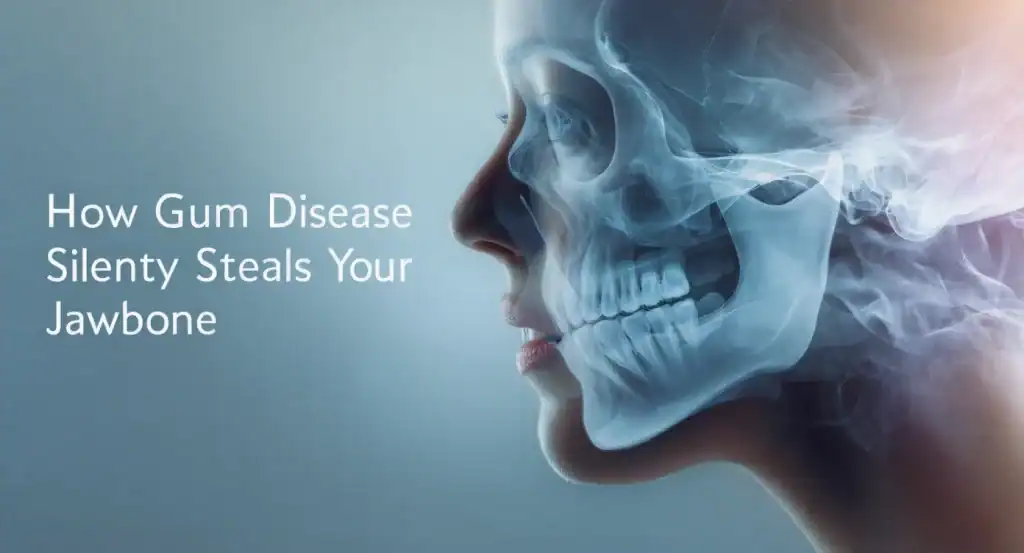
Here’s something most people don’t realize: “gum disease doesn’t just affect your gums”. It’s actually one of the leading causes of bone loss in your mouth, and it happens so quietly that many patients have no idea it’s occurring until significant damage has already been done.
The Hidden Relationship Between Your Gums and Jawbone
Think of your teeth like trees in a forest. Just as trees need healthy soil to stay strong and rooted, your teeth need healthy gums and bone to remain stable. When gum disease strikes, it’s like an invisible fire spreading through that forest floor, destroying the very foundation that keeps everything in place.
As a periodontist with over 35 years of experience, I’ve seen this scenario play out thousands of times. A patient comes in thinking they just have “a little gum bleeding,” only to discover that the infection has been quietly eating away at the bone supporting their teeth.

How Gum Disease Destroys Bone: The Step-by-Step Process
Let me walk you through exactly what happens inside your mouth when gum disease progresses:
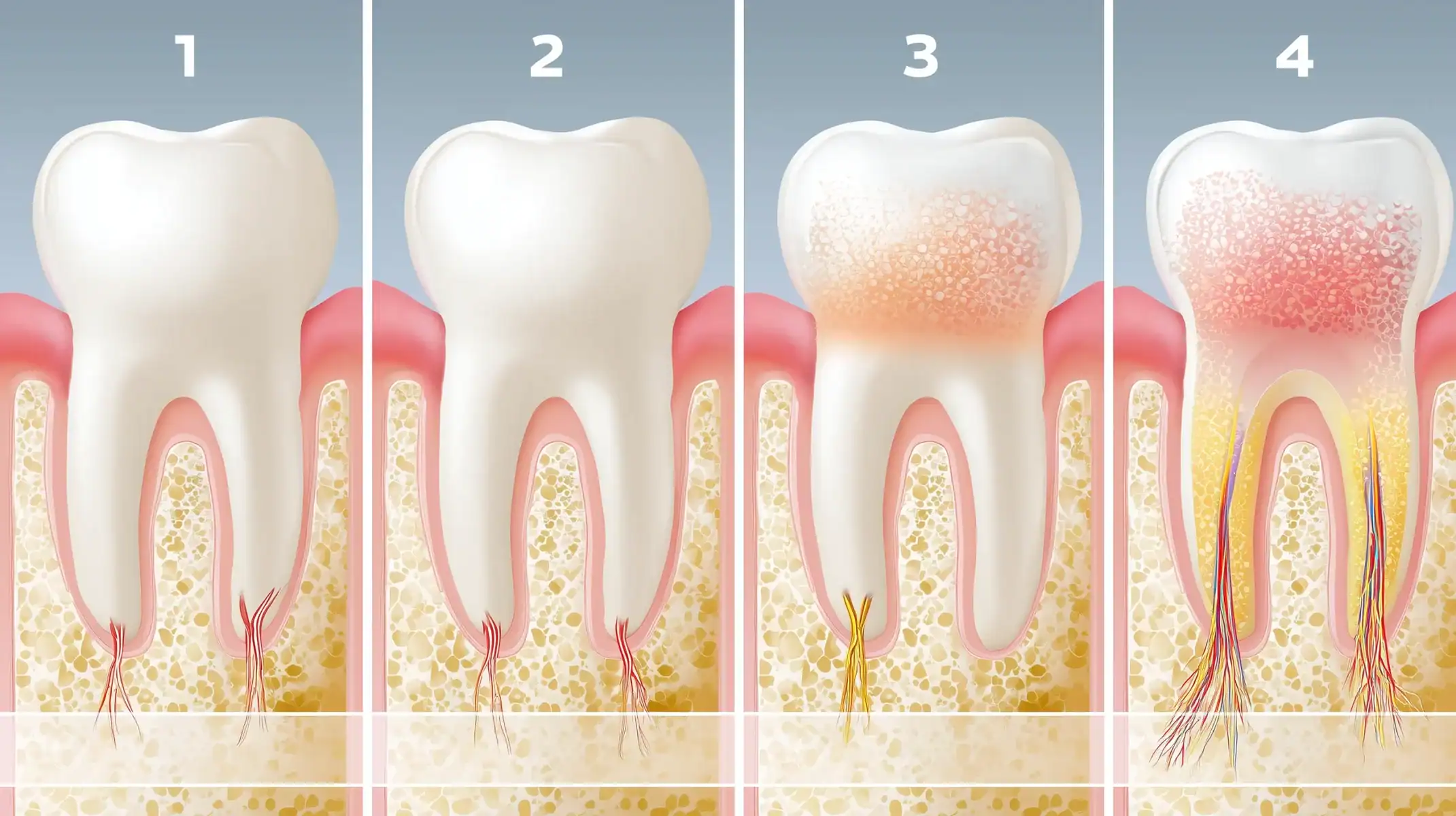
Stage 1: The Bacterial Invasion
It starts innocently enough. Plaque—that sticky film of bacteria—builds up along your gum line. If not removed properly, these bacteria begin producing toxins that irritate your gums, causing them to become red, swollen, and prone to bleeding.
Stage 2: The Immune System Responds
Your body’s immune system kicks into high gear, sending white blood cells to fight the infection. While this sounds good, here’s the problem: this inflammatory response doesn’t just target the bacteria—it also begins breaking down the healthy tissues around your teeth, including the bone.
Stage 3: The Bone Destruction Begins

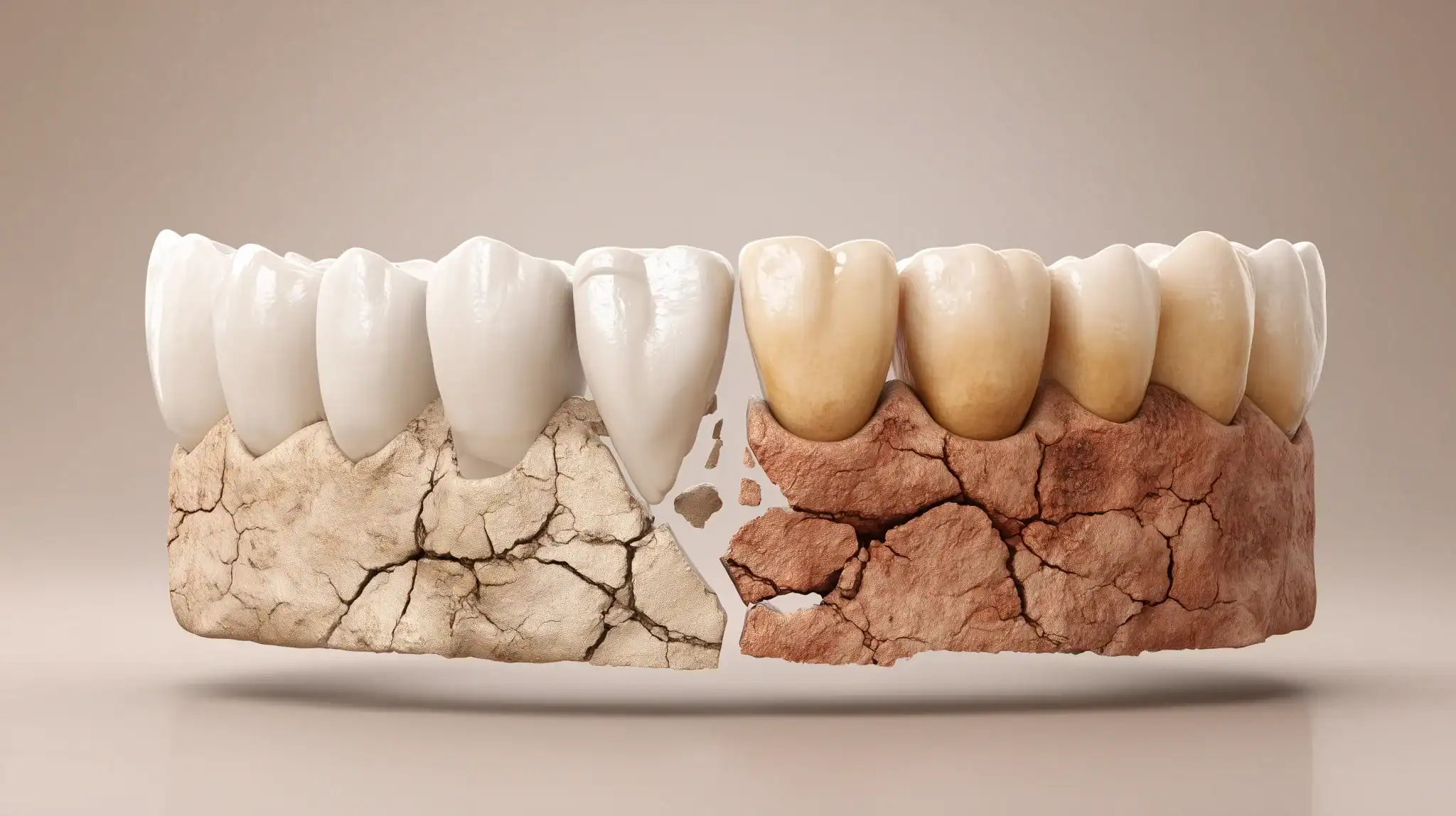
As the infection deepens, it creates pockets between your teeth and gums. These pockets become perfect hiding spots for more bacteria, creating a vicious cycle. The ongoing inflammation triggers enzymes that literally dissolve the bone supporting your teeth.
Stage 4: The Silent Progression
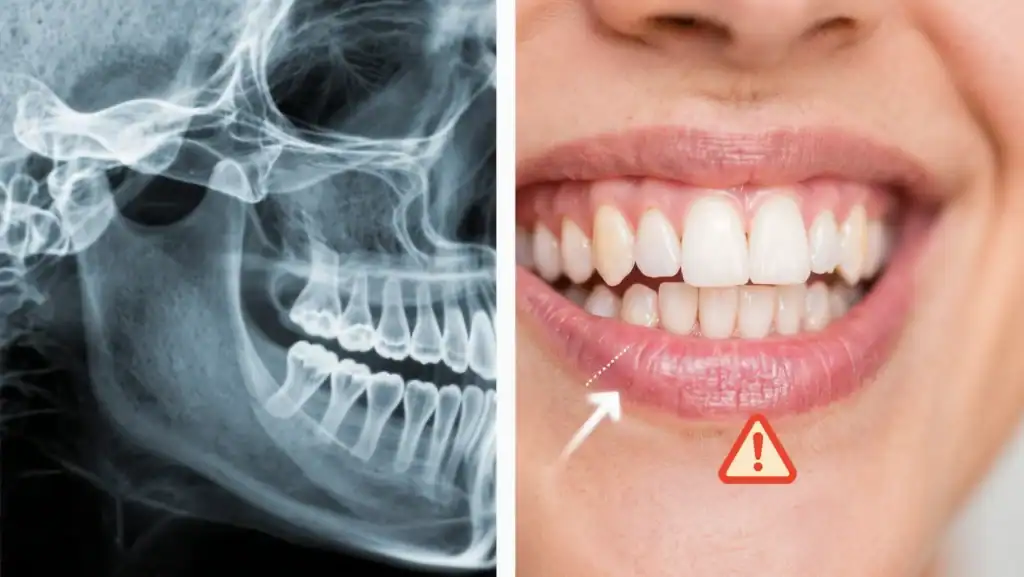
Here’s the scary part: bone loss from gum disease often happens without pain. You might not feel anything unusual while your jawbone is slowly disappearing. By the time symptoms become noticeable—like loose teeth or changes in your bite—significant bone loss may have already occurred.
The Good News: Bone Loss Can Be Stopped and Even Reversed
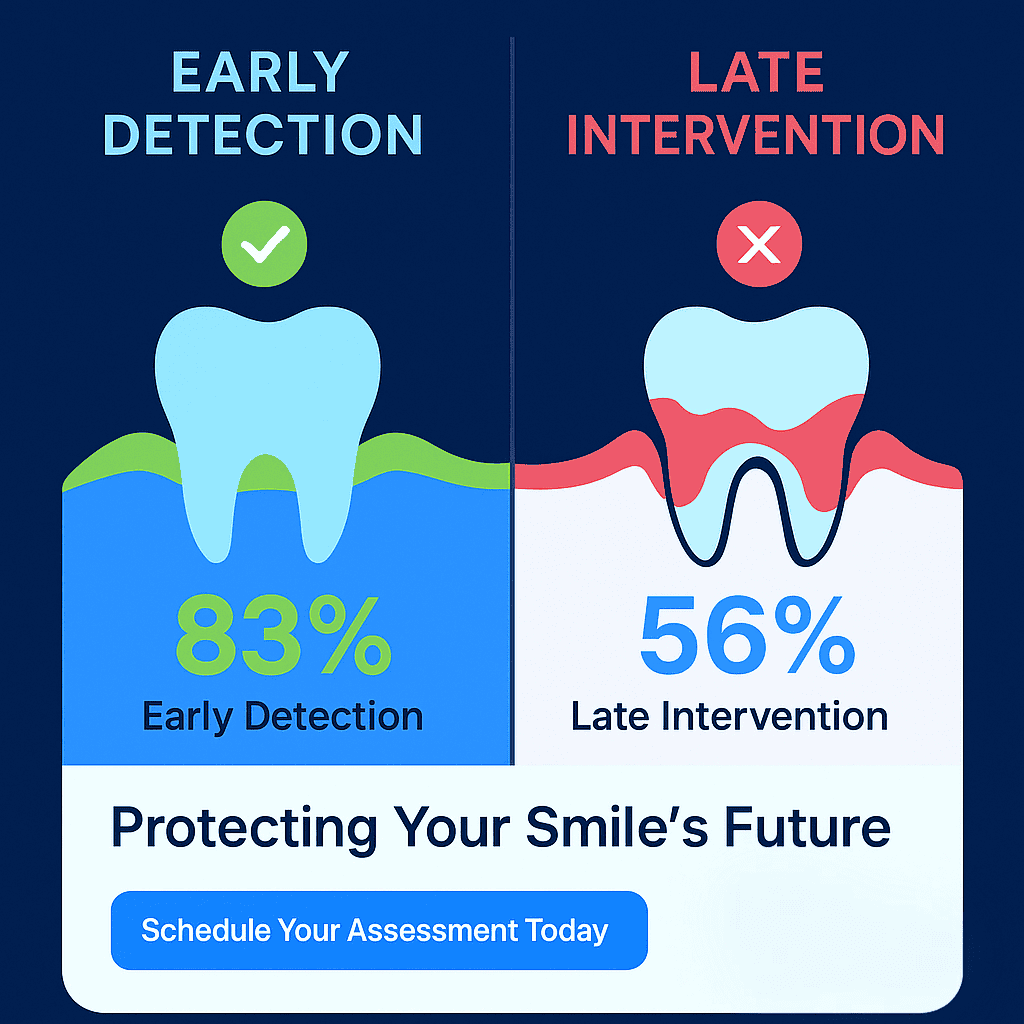
Now, before you panic, let me share some encouraging news. While gum disease-related bone loss is serious, it’s also highly treatable—especially when caught early.
Modern periodontal therapy offers several effective approaches:
Non-Surgical Treatment: For early to moderate bone loss, deep cleaning procedures called scaling and root planing can remove bacteria and toxins from below the gum line, allowing your body’s natural healing processes to begin rebuilding bone.

Regenerative Procedures: For more advanced cases, we can actually help your body regrow lost bone using techniques like guided tissue regeneration and bone grafting. These procedures use your body’s natural healing ability, sometimes enhanced with growth factors, to rebuild the foundation around your teeth.
Laser Therapy: :Advanced laser treatments can eliminate bacteria and infected tissue while stimulating bone regeneration, often with less discomfort and faster healing than traditional methods.
Taking Action: Your Next Steps
If you’re experiencing any signs of gum disease—bleeding gums, persistent bad breath, or loose teeth—don’t wait. The earlier we catch and treat gum disease, the more bone we can save and potentially regenerate.
Here’s what I recommend:
1. Get a comprehensive periodontal evaluation to assess your current bone levels
2. Maintain excellent oral hygiene with proper brushing and flossing techniques
3. Don’t ignore bleeding gums —they’re often the first warning sign
4. Consider your overall health —conditions like diabetes can accelerate bone loss
Remember, your mouth is the gateway to your body’s health. By protecting your gums and the bone that supports your teeth, you’re not just preserving your smile—you’re investing in your overall well-being.
The connection between gum disease and bone loss might be invisible, but its impact on your life doesn’t have to be permanent. With the right care and early intervention, you can keep your teeth strong and healthy for a lifetime.