Why Some People Need Gum Surgery and Others Don’t
Have you ever wondered why some people sail through life with nothing more than routine dental cleanings, while others face the daunting prospect of periodontal surgery?
The answer isn’t as simple as “good brushers versus bad brushers” – though oral hygiene certainly plays a crucial role. The reality is that gum disease progression depends on a complex interplay of factors, some within your control and others determined long before you were born.
The Genetic Lottery: Your Periodontal Destiny

Perhaps the most surprising factor determining your gum surgery risk is something you inherited from your parents: your genes. Research shows that approximately 30% of the population carries genetic variations that make them up to six times more likely to develop severe periodontal disease, regardless of their oral hygiene habits.
These genetic factors influence how your immune system responds to bacterial infections in your mouth. Some people have immune systems that mount an appropriate, controlled response to oral bacteria, effectively clearing infections without excessive tissue damage. Others have immune systems that overreact, creating chronic inflammation that ultimately destroys the very tissues they’re trying to protect.
Dr. Gums, a leading periodontist with over 35+ years of experience, explains: “I’ve seen patients with impeccable oral hygiene who still develop advanced periodontitis, while others with mediocre brushing habits maintain healthy gums for decades. Genetics often explains these puzzling cases.”
The Bacterial Neighborhood in Your Mouth

Not all oral bacteria are created equal, and the specific strains colonizing your mouth can dramatically influence your periodontal future. Your oral microbiome – the community of bacteria living in your mouth – is as unique as your fingerprint and significantly impacts your disease risk.
Some people naturally harbor more aggressive bacterial strains like Porphyromonas gingivalis and Tannerella forsythia, which are particularly skilled at evading immune responses and destroying periodontal tissues. Others maintain populations of beneficial bacteria that help keep harmful species in check.
Interestingly, these bacterial communities can be influenced by factors ranging from your diet and stress levels to medications you take. Antibiotics, for instance, can disrupt the delicate balance of oral bacteria, sometimes allowing harmful species to flourish.
The Systemic Health Connection
Your gums don’t exist in isolation – they’re intimately connected to your overall health. Certain systemic conditions create a perfect storm for periodontal disease progression, often necessitating surgical intervention.
Diabetes stands out as a major risk factor. High blood sugar levels provide an ideal environment for harmful bacteria to thrive, while also impairing the body’s ability to fight infection and heal damaged tissues. Studies show that people with poorly controlled diabetes are three times more likely to develop severe periodontitis requiring surgical treatment.
Other conditions that increase surgical risk include:
- Autoimmune disorders like rheumatoid arthritis
- Heart disease and high blood pressure
- Osteoporosis
- Hormonal changes during pregnancy or menopause
Lifestyle Factors: The Choices That Matter
While genetics and systemic health set the stage, lifestyle choices often determine whether you’ll need surgical intervention. Smoking remains the most significant modifiable risk factor for periodontal disease. Smokers are not only more likely to develop severe gum disease but also respond poorly to non-surgical treatments, making surgery more likely.

The mechanism is clear: tobacco use reduces blood flow to the gums, impairs immune function, and creates an environment where harmful bacteria flourish. Even former smokers carry increased risk for years after quitting, though the risk decreases significantly over time.
Stress, often overlooked, plays a crucial role in periodontal health. Chronic stress elevates cortisol levels, suppressing immune function and making it harder for your body to fight off bacterial infections. Additionally, stressed individuals often neglect oral hygiene and may engage in harmful behaviors like teeth grinding.
The Treatment Response Factor
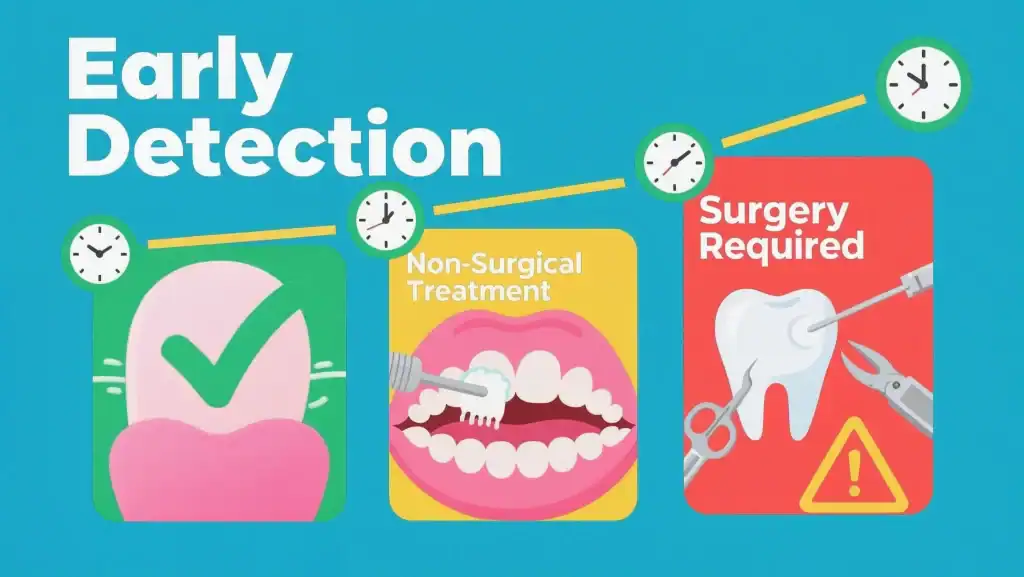
Perhaps most importantly, how your gums respond to initial treatment often determines whether surgery becomes necessary. When caught early, most cases of periodontal disease can be successfully managed with non-surgical treatments like scaling and root planing (deep cleaning).
However, some patients don’t respond adequately to these conservative approaches. Factors influencing treatment response include:
- Severity of bone loss at diagnosis
- Depth of periodontal pockets
- Presence of furcation involvement (infection between tooth roots)
- Patient compliance with home care and maintenance visits
The Early Intervention Advantage
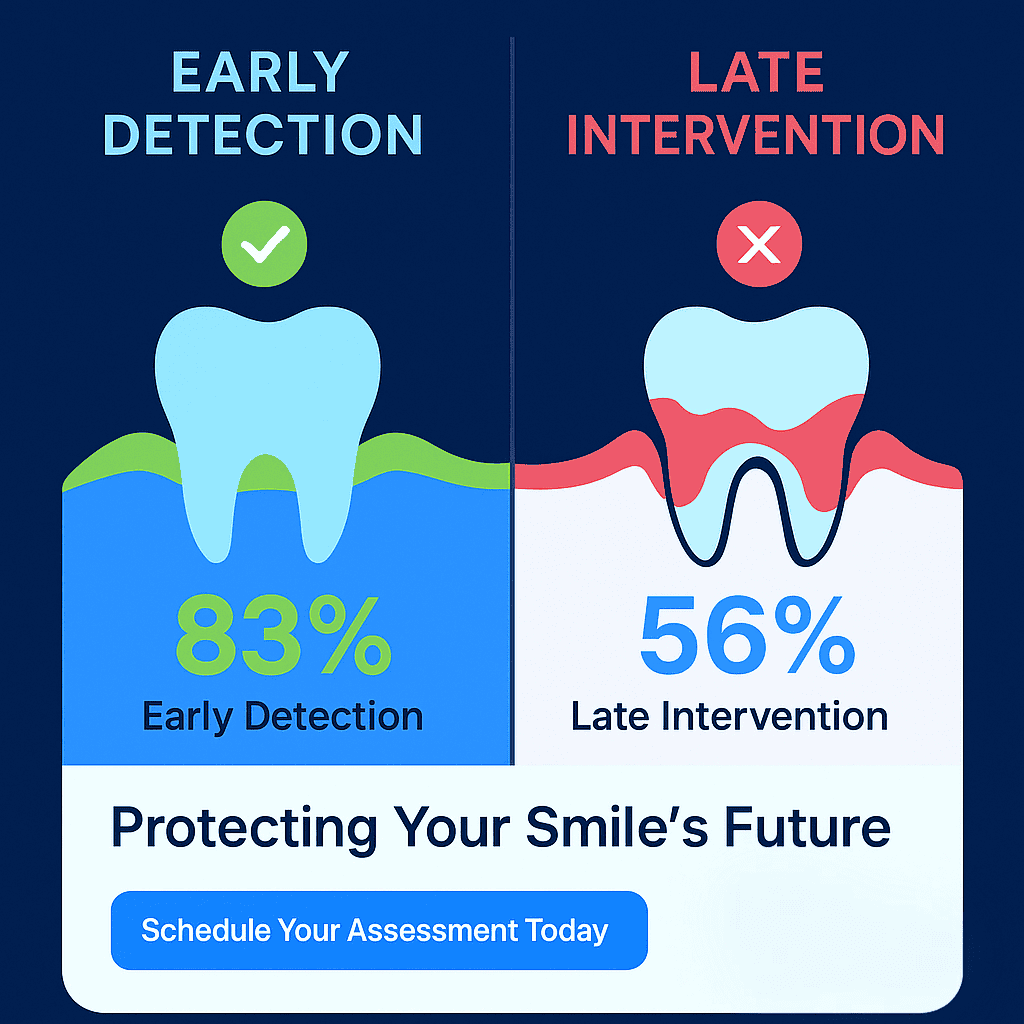
The key insight for patients is that early detection and treatment dramatically reduce the likelihood of needing surgery. Regular dental checkups allow for identification of periodontal problems when they’re still reversible or manageable with non-surgical methods.
Modern periodontal therapy has evolved significantly, with minimally invasive surgical techniques and regenerative procedures offering excellent outcomes when surgery is necessary. However, prevention remains the best strategy.
Taking Control of Your Periodontal Future
While you can’t change your genetics, understanding your risk factors empowers you to take proactive steps. If you have a family history of gum disease, diabetes, or other risk factors, work closely with your dental team to develop an aggressive prevention strategy.
This might include more frequent cleanings, specialized home care products, or early intervention at the first signs of gum inflammation. Remember, the goal isn’t just to avoid surgery – it’s to maintain the foundation of your oral health for life.
Your periodontal destiny isn’t entirely predetermined. With the right knowledge, professional care, and commitment to prevention, you can significantly influence whether you’ll join the ranks of those who need surgery or those who maintain healthy gums with routine care alone.