When Saving Your Tooth Isn’t Enough
When your dentist first mentioned a root canal, you probably hoped it would be the end of your dental troubles. Unfortunately, even the most expertly performed root canals can fail, leaving you with persistent pain, infection, or other complications.
If you’re facing a failed root canal, you’re not alone—and more importantly, you have excellent options for restoring your smile and oral health.
Understanding Root Canal Failure
Root canal failure occurs when the treated tooth becomes reinfected or fails to heal properly. According to dental research, root canals have a success rate of approximately 85-97%, which means a small percentage will require additional treatment or extraction.
Common signs of root canal failure include:
- Persistent or returning pain
- Swelling around the treated tooth
- Sensitivity to hot or cold temperatures
- Discoloration of the treated tooth
- Formation of a pimple-like bump on the gums
- Bad taste or odor from the treated area
The failure can happen immediately after treatment or years later, often due to incomplete removal of infected tissue, new decay, or structural damage to the tooth.
Why Dental Implants Are Often the Best Solution


When a root canal fails, you typically have three options: retreatment, apicoectomy (surgical root canal), or tooth extraction followed by replacement. While retreatment might seem appealing, studies show that the success rate for root canal retreatment is lower than the initial procedure, often around 60-70%.
Dental implants have emerged as the gold standard for tooth replacement because they offer several distinct advantages:
Longevity and Durability: With proper care, dental implants can last 25 years or even a lifetime, compared to the 10-15 year lifespan of most root canal treatments.
Bone Preservation: Unlike other tooth replacement options, implants stimulate the jawbone, preventing the bone loss that naturally occurs after tooth extraction.
Natural Function: Implants restore full chewing power and feel like your natural teeth, allowing you to eat all your favorite foods without restriction.
No Impact on Adjacent Teeth: Unlike bridges, implants don’t require altering healthy neighboring teeth.
The Implant Process: What to Expect
Understanding the implant process can help alleviate anxiety and set proper expectations:

Initial Consultation and Planning
Your periodontist will conduct a comprehensive examination, including 3D imaging to assess bone density and structure. This evaluation determines if you’re a good candidate for immediate implant placement or if additional procedures are needed.
Tooth Extraction and Site Preparation
If your failed root canal tooth needs extraction, your periodontist will remove it as gently as possible to preserve surrounding bone and tissue. In many cases, a bone graft can be placed immediately to maintain the socket’s structure.
Implant Placement
The titanium implant post is surgically placed into the jawbone. This biocompatible material integrates with your bone through a process called osseointegration, typically taking 3-6 months.
Healing and Integration
During the healing period, the implant fuses with your jawbone, creating a stable foundation for your new tooth. You’ll receive a temporary restoration to maintain function and aesthetics.
Final Restoration
Once integration is complete, your periodontist will attach an abutment and custom crown that matches your natural teeth perfectly.
Factors That Affect Implant Success
Several factors influence the success of your dental implant:
Bone Quality and Quantity: Adequate bone is essential for implant stability. If bone loss has occurred due to infection from the failed root canal, bone grafting may be necessary.

Gum Health: Healthy gums are crucial for implant success. Any existing periodontal disease must be treated before implant placement.
Overall Health: Conditions like diabetes or autoimmune disorders can affect healing, though they don’t necessarily disqualify you from implants.
Lifestyle Factors: Smoking significantly increases the risk of implant failure and should be discontinued before treatment.
Managing the Transition Period
The time between extraction and final restoration requires some adjustments:
- Follow all post-operative instructions carefully
- Maintain excellent oral hygiene around the implant site
- Avoid hard or sticky foods that could disturb healing
- Attend all follow-up appointments
- Don’t smoke or use tobacco products
Cost Considerations and Long-term Value

While dental implants require a higher initial investment than retreating a root canal, they often provide better long-term value. Consider the potential costs of multiple retreatments, ongoing complications, and eventual tooth loss when evaluating your options.
Many dental insurance plans now provide some coverage for implants, recognizing their superior outcomes. Additionally, many practices offer financing options to make treatment more accessible.
Making the Right Decision for Your Oral Health
Facing a failed root canal can be frustrating, but it’s also an opportunity to invest in a long-term solution that can serve you for decades. Dental implants not only restore function and aesthetics but also protect your overall oral health by preserving bone structure and preventing adjacent teeth from shifting.
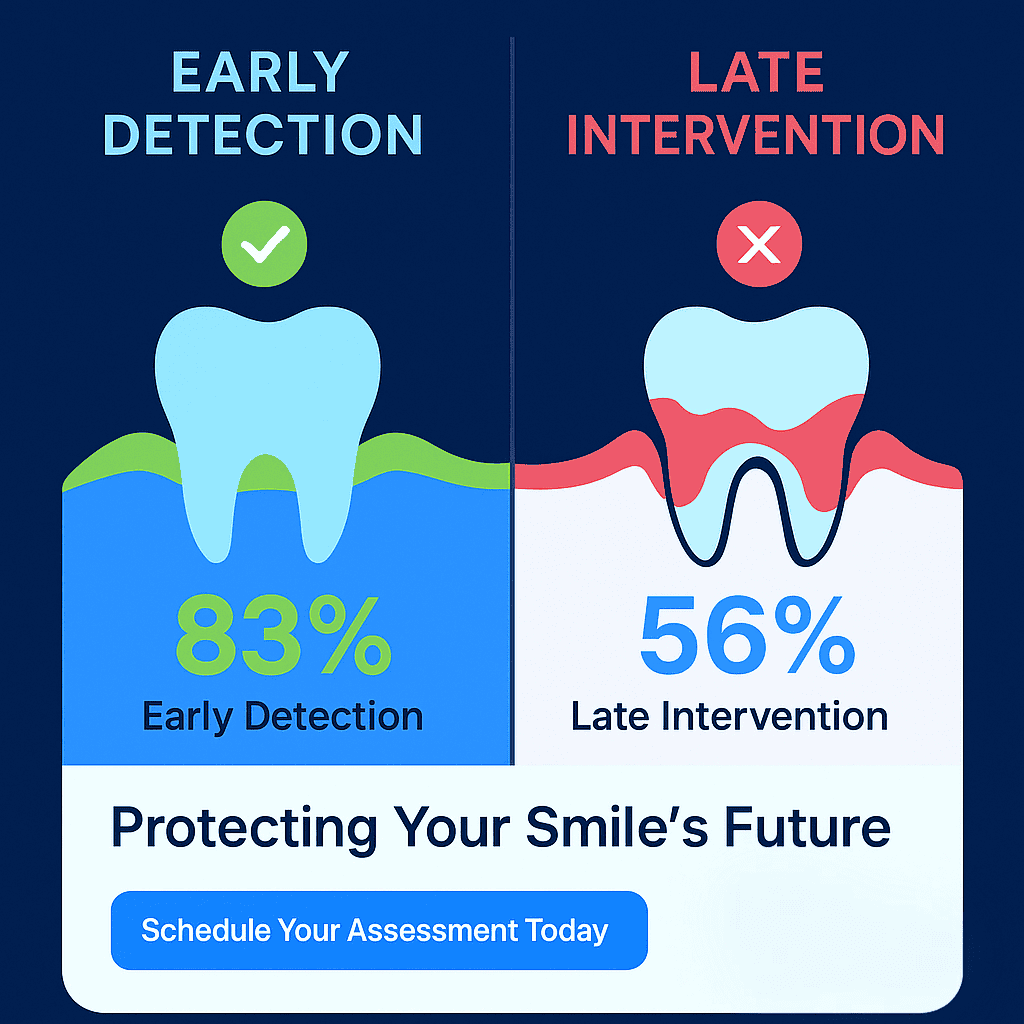
If you’re dealing with a failed root canal, don’t delay seeking treatment. The longer you wait, the more bone loss may occur, potentially complicating future implant placement. Consult with a qualified periodontist like Dr. Gums who can evaluate your specific situation and help you make an informed decision about your oral health future.
Your smile deserves the best possible care, and with today’s advanced implant technology, you can look forward to years of comfortable, confident eating, speaking, and smiling.