The Critical Decision That Could Save Your Smile (And Your Wallet)

When you notice a tooth starting to wiggle, panic might be your first reaction. That sinking feeling in your stomach as you realize something’s seriously wrong with your oral health is completely understandable.

But before you start planning for dental implants or accepting tooth loss as inevitable, there’s crucial information you need to know about saving loose teeth—and when replacement might actually be the better choice.
Understanding Why Teeth Become Loose

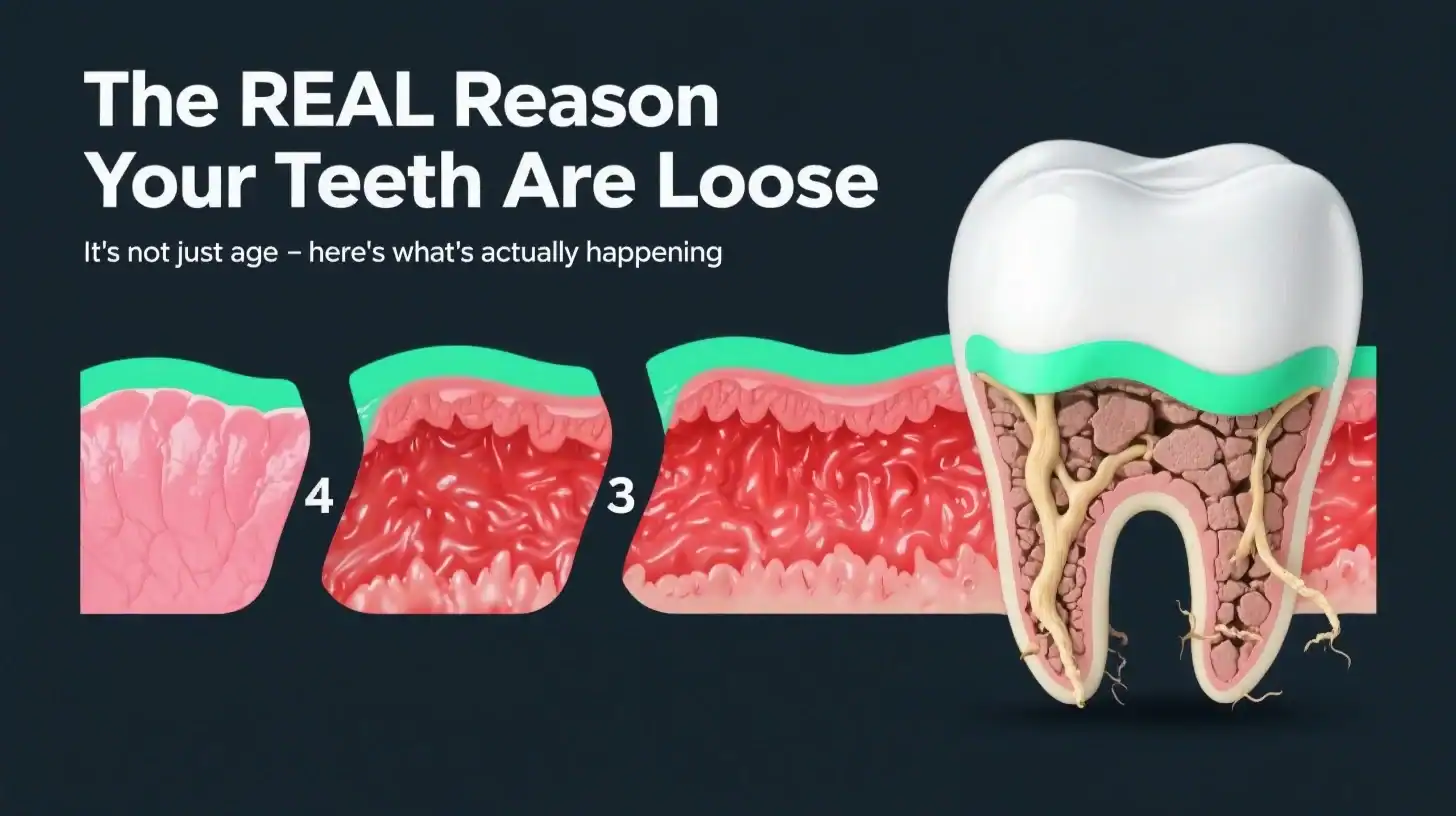
Teeth don’t just become loose overnight. According to leading periodontal research, the primary culprit behind tooth mobility is periodontal disease—a progressive condition that affects the supporting structures of your teeth. When bacteria accumulate below the gumline, they trigger an inflammatory response that gradually destroys the periodontal ligament and alveolar bone that anchor your teeth in place.
The progression typically follows this pattern: healthy gums → gingivitis → mild periodontitis → moderate periodontitis → advanced periodontitis with bone loss and tooth mobility. Understanding where you are in this progression is crucial for making the right treatment decision.
Other factors contributing to loose teeth include:
- Trauma or injury to the mouth
- Teeth grinding (bruxism) that puts excessive pressure on teeth
- Hormonal changes during pregnancy or menopause
- Certain medications that affect gum health
- Systemic diseases like diabetes that compromise healing

The Case for Saving Your Natural Teeth
Your natural teeth are irreplaceable biological structures with unique advantages that no artificial replacement can fully replicate. Here’s why saving them should be your first priority:
Proprioception and Sensation: Natural teeth contain nerve endings that provide crucial feedback about bite force and food texture. This sensory information helps you chew efficiently and protects you from biting too hard. Dental implants, while excellent replacements, lack this natural feedback system.
Bone Preservation: When you save a natural tooth, you maintain the natural stimulation to the surrounding bone. This stimulation, generated through normal chewing forces, keeps the alveolar bone healthy and prevents the bone resorption that inevitably occurs after tooth loss.
Cost-Effectiveness: Saving a tooth is typically more cost-effective than replacement. While the initial periodontal treatment might seem expensive, it’s usually less costly than the long-term expenses associated with implant placement, potential complications, and maintenance.
Proven Longevity: With proper periodontal treatment and maintenance, natural teeth can last a lifetime. Studies show that teeth treated for periodontal disease and properly maintained have excellent long-term survival rates.
Advanced Techniques for Saving Loose Teeth
Modern periodontal therapy offers remarkable options for stabilizing loose teeth:
Guided Tissue Regeneration (GTR): This technique uses specialized membranes and bone grafting materials to encourage the regeneration of lost periodontal tissues. By creating an environment where new bone and ligament can grow, GTR can significantly improve tooth stability.
Bone Grafting: When periodontal disease has caused bone loss around loose teeth, bone grafting procedures can restore the supporting structure. Various grafting materials—from your own bone to synthetic alternatives—can stimulate new bone growth and improve tooth support.
Scaling and Root Planing: This deep cleaning procedure removes bacterial deposits from below the gumline and smooths root surfaces to promote healing and reattachment of gum tissues.
Laser Therapy: Advanced laser treatments can eliminate bacteria and infected tissue while promoting healing and regeneration of healthy periodontal structures.
Splinting: In some cases, loose teeth can be stabilized by bonding them to adjacent stable teeth, distributing chewing forces more evenly.
When Dental Implants Become the Better Choice
Despite the advantages of natural teeth, there are situations where dental implants offer superior long-term outcomes:
Extensive Bone Loss: When periodontal disease has progressed to the point where insufficient bone remains to support the tooth, extraction and implant placement may provide better stability and function.
Root Fractures: Teeth with vertical root fractures typically cannot be saved and require extraction.
Severe Mobility: Teeth with Grade 3 mobility (movement in all directions) often have such compromised support that successful treatment is unlikely.
Recurrent Infections: Teeth that continue to develop abscesses despite proper treatment may need to be removed to prevent systemic health complications.
Patient Factors: Some patients may not be candidates for the extensive periodontal therapy required to save loose teeth due to medical conditions, inability to maintain proper oral hygiene, or personal preferences.
Making the Right Decision for Your Situation
The decision between saving loose teeth and replacing them with implants should never be made hastily. Here are key factors to consider:
Seek Expert Evaluation: A qualified periodontist can assess the true condition of your loose teeth using advanced diagnostic tools, including 3D imaging and periodontal probing, to determine the extent of bone loss and the likelihood of successful treatment.
Consider Your Overall Health: Systemic conditions like uncontrolled diabetes can affect healing and treatment success rates.
Evaluate Your Commitment: Saving loose teeth requires ongoing maintenance and excellent oral hygiene. Be honest about your ability to commit to the necessary care.
Think Long-Term: Consider not just immediate costs but long-term outcomes, maintenance requirements, and potential complications.
The Bottom Line
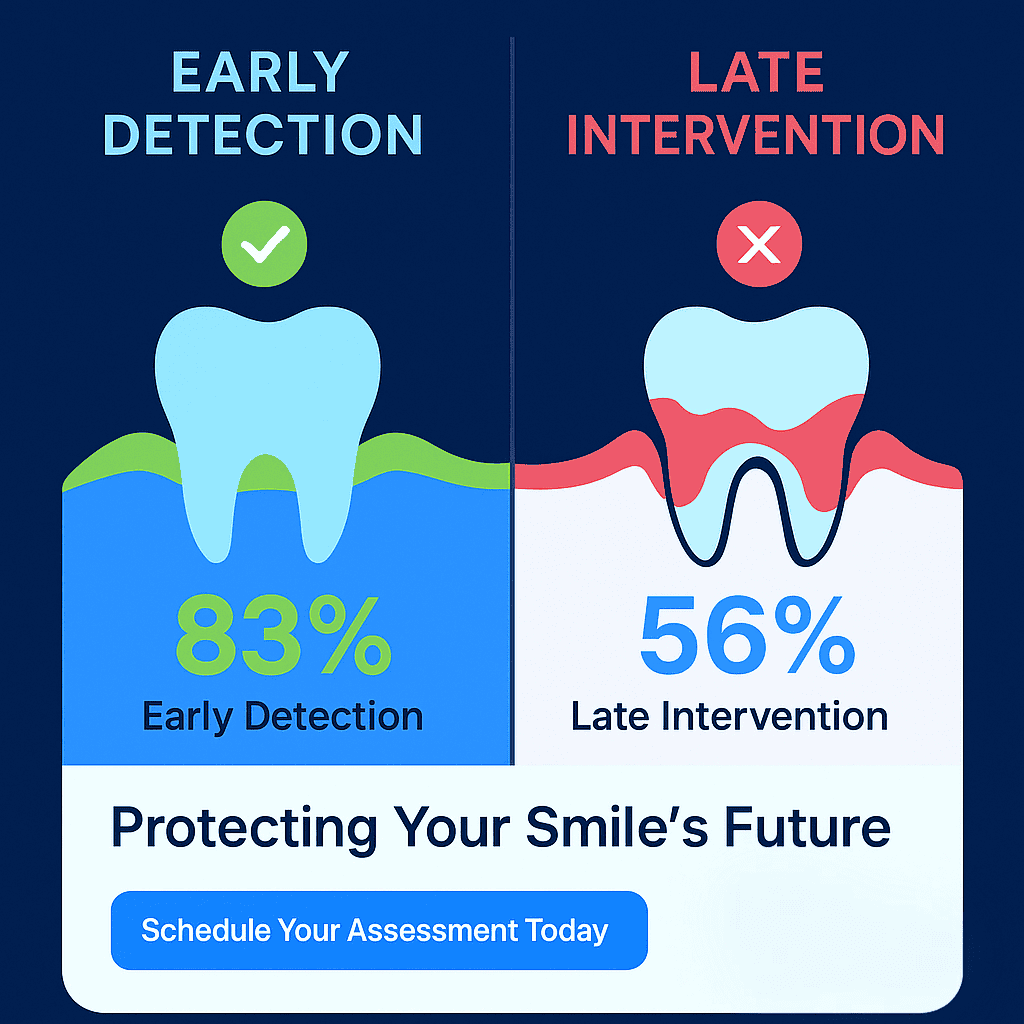
Loose teeth don’t automatically mean tooth loss is inevitable. With today’s advanced periodontal treatments, many loose teeth can be successfully stabilized and maintained for years or even decades. However, the key is early intervention and proper evaluation by a periodontal specialist.
Remember, every situation is unique. What works for one person may not be the best solution for another. The most important step is getting a thorough evaluation from a qualified periodontist who can assess your specific situation and help you make an informed decision about your oral health future.
Don’t let fear or misinformation drive your decision. With the right information and professional guidance, you can make the choice that best serves your long-term oral health and quality of life.