Your Loose Teeth Can Send You Straight to Implant Surgery
When you first notice a tooth feeling slightly loose, it’s easy to dismiss it as a minor concern. Perhaps you think it will tighten back up on its own, or maybe you’re hoping it’s just your imagination.
Unfortunately, loose teeth are rarely a temporary problem—they’re often the beginning of a journey that leads directly to dental implant treatment. Understanding this progression can help you make informed decisions about your oral health and potentially save you time, money, and discomfort down the road.
The Foundation of Your Smile: Understanding Tooth Support

Your teeth aren’t just sitting in your gums like fence posts in soft soil. They’re anchored by a complex support system that includes the periodontal ligament, cementum, and most importantly, the alveolar bone.
This bone literally holds your teeth in place, providing the solid foundation necessary for normal chewing, speaking, and smiling functions.
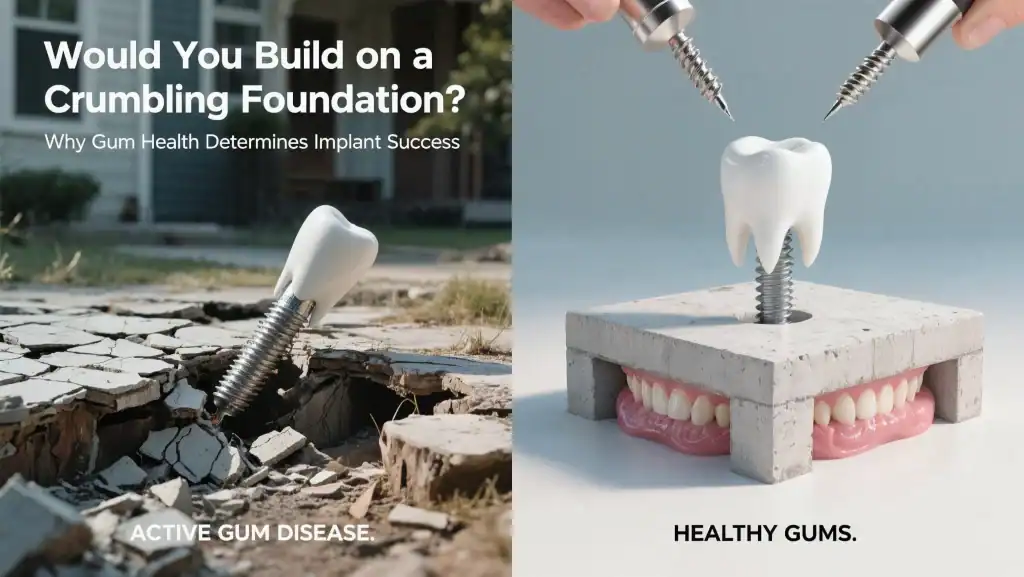

When this support system becomes compromised—whether through periodontal disease, trauma, or other factors—teeth begin to lose their stability. What starts as barely perceptible movement can quickly progress to noticeable looseness, and eventually, tooth loss becomes inevitable.
The Domino Effect: How Loose Teeth Create More Problems
Once a tooth becomes loose, it sets off a cascade of problems that often makes implant treatment the most viable long-term solution. Here’s why:
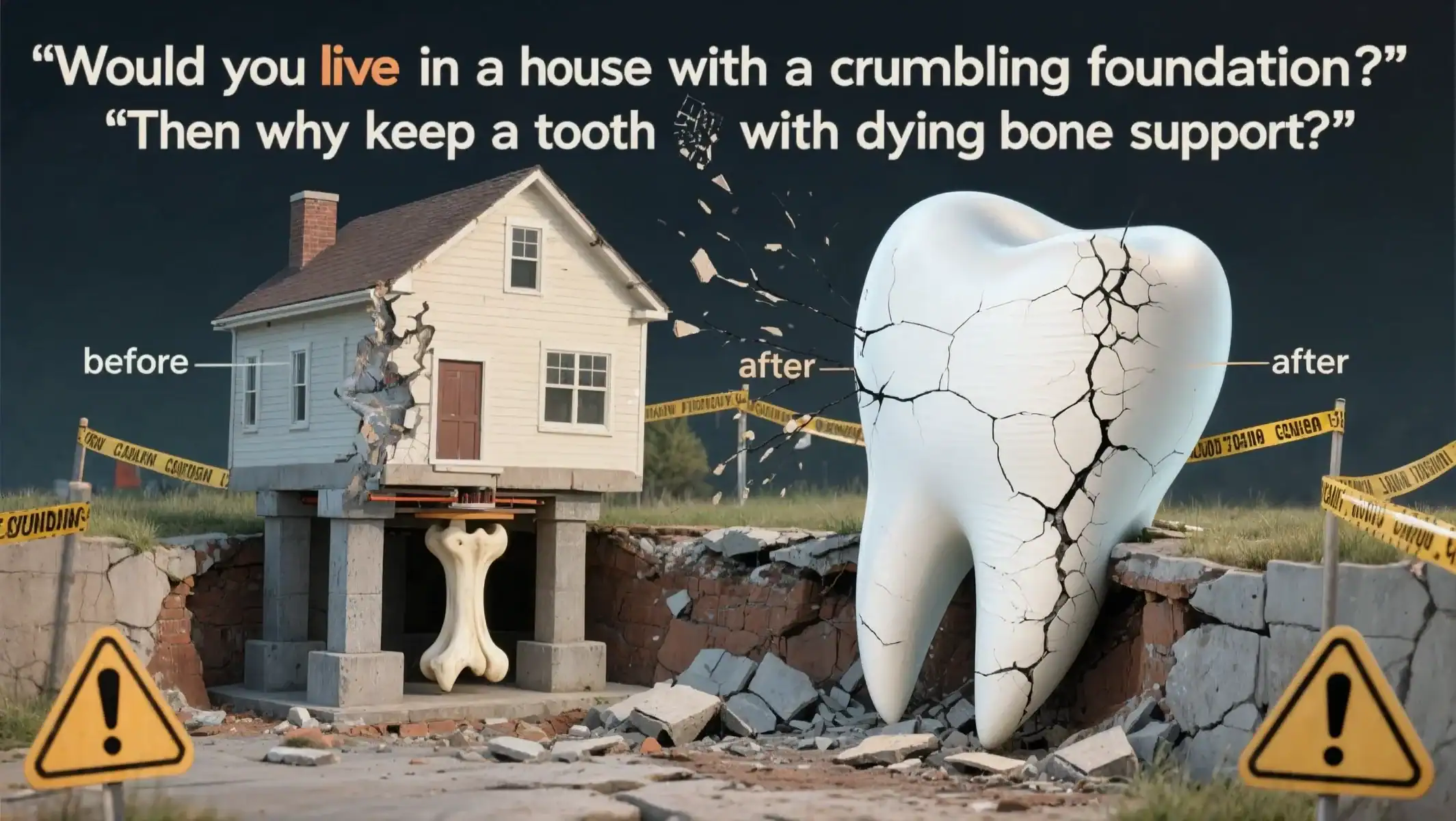
Bone Loss Accelerates: When a tooth is loose, it’s no longer providing the normal stimulation that keeps the surrounding bone healthy and dense. This lack of stimulation causes the bone to begin resorbing (dissolving away), creating even less support for the tooth. It’s a vicious cycle that rarely reverses on its own.
Neighboring Teeth Suffer: A loose tooth can’t properly share the load during chewing, which means adjacent teeth must work harder. This increased stress can lead to additional tooth mobility, creating a domino effect throughout your mouth.
Bite Problems Develop: As loose teeth shift position, your bite becomes uneven. This can cause jaw pain, headaches, and additional stress on other teeth, potentially leading to more tooth loss.
Infection Risk Increases: Loose teeth often have deeper pockets around them where bacteria can accumulate. These areas are difficult to clean effectively, leading to persistent infections that further damage the supporting structures.
Why Traditional Treatments Often Fall Short
Many patients hope that treatments like deep cleanings, antibiotics, or even splinting (connecting loose teeth together) will solve their problems. While these treatments can sometimes help in early stages, they often provide only temporary relief when significant bone loss has already occurred.
The reality is that once substantial bone loss has happened around a tooth, the damage is typically irreversible. The tooth may feel more stable temporarily, but the underlying structural problems remain. This is why many patients find themselves facing the same issues months or years later, often with even more extensive damage.
The Implant Advantage: A Permanent Solution

Dental implants offer several advantages that make them the preferred treatment for loose teeth with significant bone loss:
Bone Preservation: Unlike loose natural teeth, implants actually stimulate the jawbone, helping to preserve bone density and prevent further deterioration. This is crucial for maintaining facial structure and preventing the sunken appearance that often accompanies tooth loss.
Stability and Function: Implants are anchored directly into the bone, providing stability that matches or exceeds that of healthy natural teeth. You can eat, speak, and smile with complete confidence.
Longevity: While a loose tooth may need repeated treatments and will likely eventually be lost anyway, implants have success rates exceeding 95% and can last a lifetime with proper care.
Protection of Adjacent Teeth: By replacing a loose tooth with an implant, you prevent the neighboring teeth from having to compensate for the missing support, protecting them from future problems.
The Importance of Timing
One of the most critical factors in implant success is timing. When a loose tooth is removed and immediately replaced with an implant, the bone loss can be minimized.
However, if you wait until the tooth falls out on its own or the bone has deteriorated significantly, additional procedures like bone grafting may be necessary before implant placement.
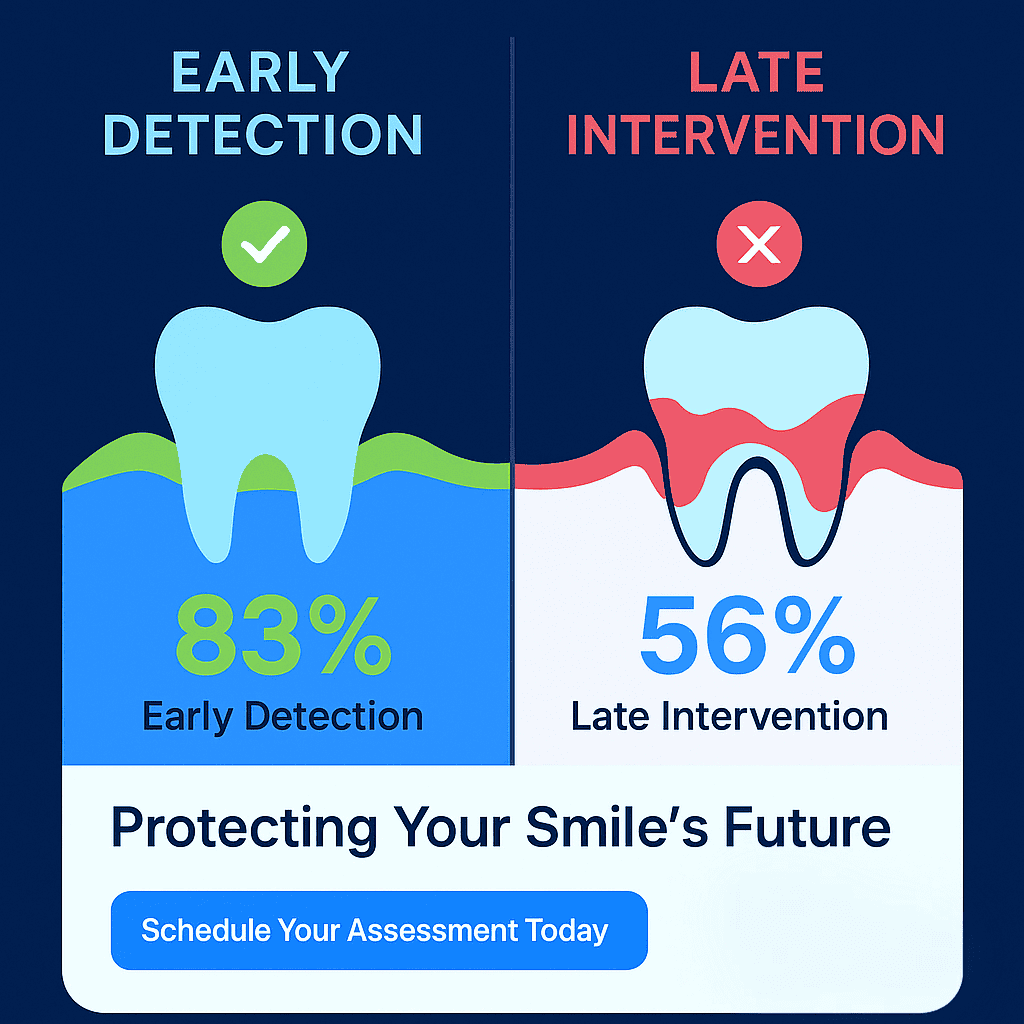
This is why many periodontists recommend being proactive rather than reactive when dealing with loose teeth. Early intervention often leads to simpler treatment and better long-term outcomes.
Making the Right Decision for Your Future
If you’re dealing with loose teeth, it’s important to understand that this isn’t just about one tooth—it’s about the long-term health and stability of your entire mouth. While the decision to move forward with implant treatment isn’t always easy, it’s often the most predictable way to restore function and prevent future problems.
The key is working with a qualified periodontist like Dr. Gums who can evaluate your specific situation and help you understand all your options. They can determine whether your loose teeth can be successfully treated and maintained, or whether implant therapy would provide a more reliable long-term solution.
Remember, loose teeth are often your mouth’s way of telling you that significant changes are needed. By addressing these issues proactively, you can maintain your oral health, preserve your smile, and avoid more extensive treatments in the future.