What This Means for Your Gums
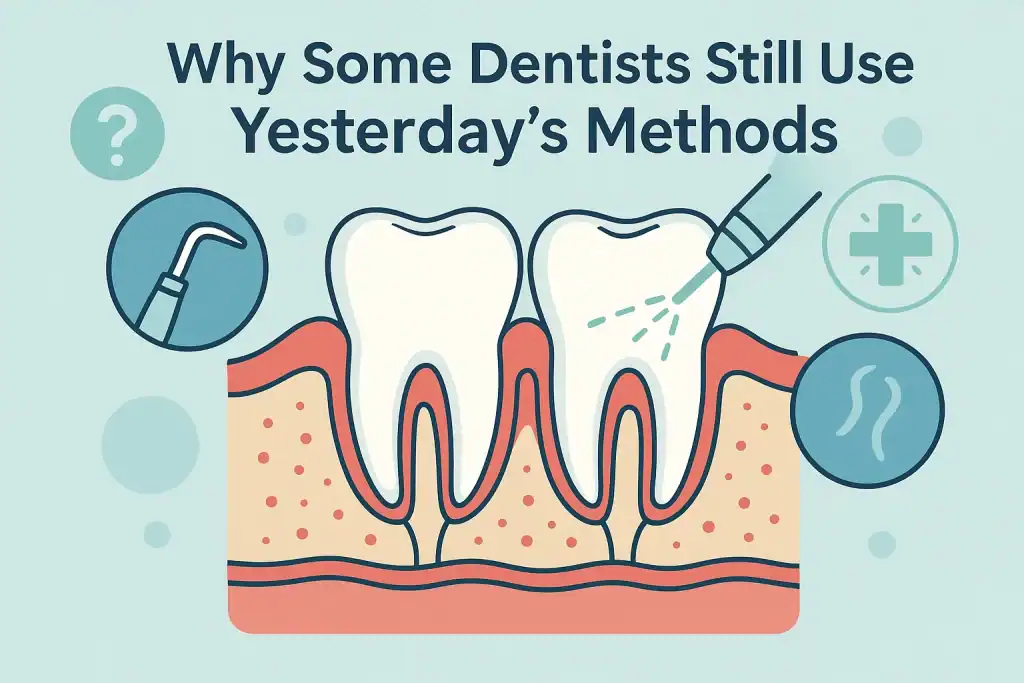
Here’s something that might surprise you: while laser gum treatment has been FDA-approved for over 20 years and can literally regrow the bone around your teeth, many dentists still don’t offer it. Why?
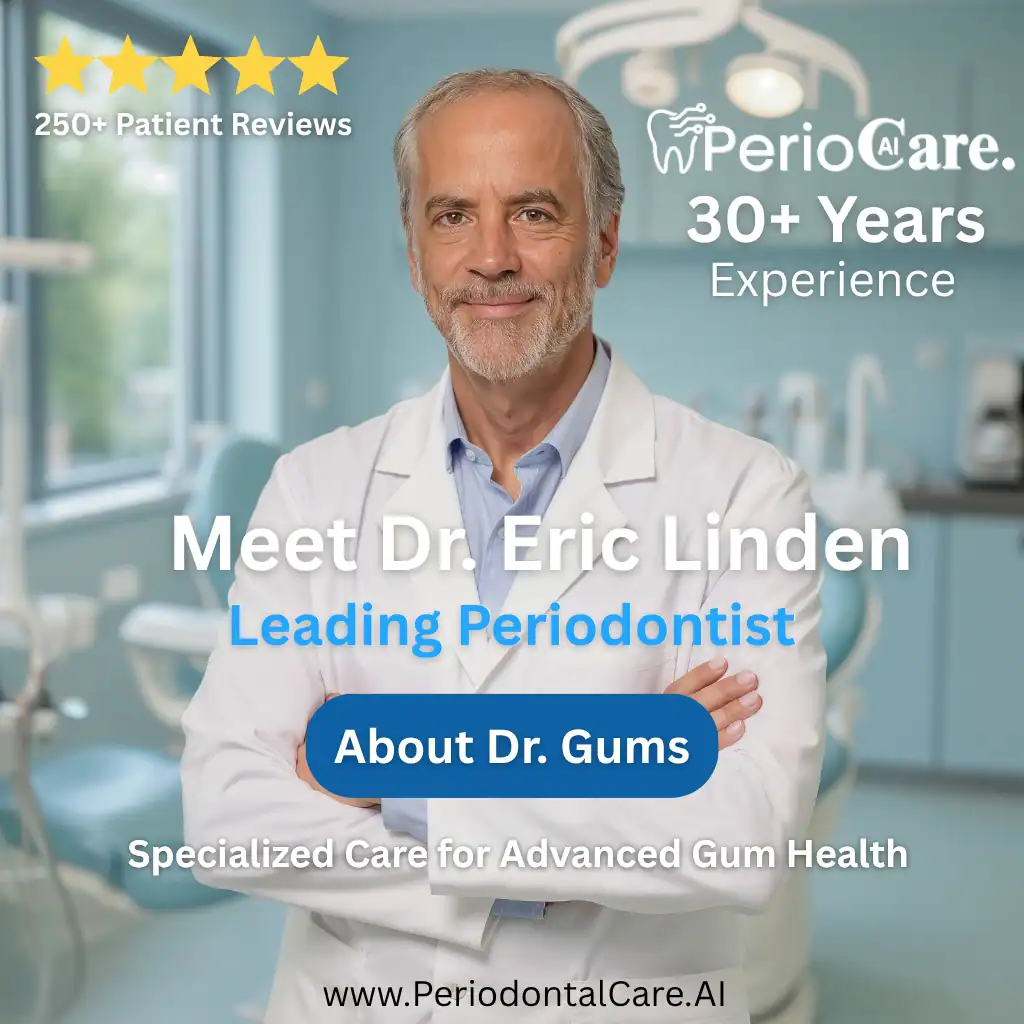
As someone who’s been treating gum disease for over three decades, I’ve watched this puzzle unfold firsthand. Patients come to me every week asking, “Why didn’t my dentist tell me about this?” It’s a fair question that deserves an honest answer.
The Real Reasons Behind the Laser Gap
Let me be straight with you – it’s not because laser treatment doesn’t work. The science is rock-solid. LANAP (Laser-Assisted New Attachment Procedure) is the only FDA-cleared treatment proven to actually regenerate the tissues that hold your teeth in place.
We’re talking about growing back bone, gum tissue, and the tiny fibers that connect your teeth to your jawbone.
So what’s the hold-up?

1. The Learning Curve Is Steep
Traditional gum surgery involves cutting and stitching – techniques dentists learn in dental school. Laser therapy? That’s a whole different ballgame. It requires specialized training, certification, and a completely new way of thinking about gum treatment.
Many dentists went to school before laser therapy was even available. Learning this technology means taking time away from their practice, investing in extensive training programs, and essentially starting over with a new skill set. For a busy practitioner, that’s a big ask.
2. The Equipment Investment Is Significant
A proper periodontal laser system can cost anywhere from $50,000 to $150,000. That’s not pocket change for most dental practices. Plus, it’s not just about buying the machine – there’s ongoing maintenance, replacement parts, and continued education costs.
Some dentists look at their current success with traditional methods and think, “Why fix what isn’t broken?” But here’s what they might be missing: patient outcomes and comfort levels are dramatically different with laser therapy.
3. Insurance Reimbursement Confusion
Here’s where it gets frustrating for both dentists and patients. While many insurance companies do cover laser gum treatment, the billing codes and approval processes can be more complex than traditional surgery. Some dentists avoid the hassle altogether rather than navigate the insurance maze.
The irony? Laser treatment often costs less in the long run because there are fewer complications, faster healing, and less need for follow-up procedures.

What This Means for Your Gum Health
If your dentist doesn’t offer laser treatment, it doesn’t necessarily mean they’re behind the times. Many excellent dentists simply haven’t made the transition yet. But it does mean you might be missing out on some significant benefits:
Faster Healing: Most of my laser patients return to normal activities within 24 hours. Compare that to traditional surgery, where you might be eating soft foods for weeks.

Less Pain: No cutting means less trauma to your gums. Many patients tell me they barely needed pain medication after laser treatment.
Better Results: The research shows laser therapy can achieve a 50% reduction in gum pocket depth in over 90% of cases. That’s remarkable.
Saves Teeth: I’ve saved thousands of teeth that other dentists said needed to be pulled. The laser’s ability to regenerate bone and tissue often gives “hopeless” teeth a second chance.
The Questions You Should Ask
When you’re dealing with gum disease, here are the key questions to ask any dental provider:
“Do you offer laser gum treatment?” If not, ask why and whether they can refer you to someone who does.
“What are my treatment options?” You deserve to know about all available treatments, not just what that particular office offers.
“What’s the success rate of your recommended treatment?” This helps you compare different approaches.
“How long is the recovery time?” This varies dramatically between traditional surgery and laser therapy.
The Future Is Already Here
Here’s what excites me most: laser technology keeps getting better. We’re seeing incredible results with patients who were told their teeth couldn’t be saved. We’re helping people avoid dentures, keep their natural teeth longer, and maintain better overall health.
The connection between gum health and your overall well-being is stronger than most people realize. Gum disease has been linked to heart disease, diabetes complications, and even cognitive decline. When we can treat gum disease more effectively with less trauma, everyone wins.
Your Next Steps
If you’re dealing with bleeding gums, loose teeth, or have been told you need gum surgery, don’t settle for the first opinion you get. Seek out a periodontist who offers laser therapy and get a second opinion.
Your gums – and your overall health – deserve the best treatment available. Just because not every dentist offers laser therapy doesn’t mean you can’t access it. Sometimes the best care requires taking that extra step to find the right provider.
Ready to learn more about Why Some Dentists Still Don’t Offer Laser Treatment? Contact Dr. Gums at Periodontal Care AI today to schedule your FREE Custom Symptom Assessment.