Something Is Wrong — And Your Body Is Telling You Right Now
When swelling and fever show up together, this is your body asking for help — not something to wait out.
You woke up and something felt off. Your gums are swollen — not just a little tender, but visibly puffy, maybe throbbing. And now there’s a low-grade fever creeping in. You’ve been telling yourself it might pass. But it hasn’t. And somewhere in the back of your mind, you know this feels different from the usual sensitivity you’ve brushed off before.
You’re right to pay attention. This combination — swelling plus fever — is your body’s way of signaling that something beneath the surface needs care. Not tomorrow. Now.
What You Might Be Noticing
You might be noticing that your gums look redder than usual — almost angry. There’s a puffiness that wasn’t there a week ago. When you press your tongue against the area, it feels tender or even painful. Maybe there’s a dull ache that radiates toward your jaw or ear.
And then there’s the fever. It might be mild — 99, maybe 100 degrees — but it’s there. You feel run down. A little foggy. Not quite yourself.
You might have looked in the mirror and noticed the gum tissue looks different. Swollen tissue can actually make teeth appear shorter, or the gum line can look uneven. Some people notice a small bump or pocket near the affected area. Others notice a bad taste in their mouth that doesn’t go away with brushing.
These aren’t random symptoms. They’re connected. And they’re pointing to something specific.

What Could Be Happening

When gum tissue becomes infected, the body responds with inflammation — that’s the swelling. When the infection is significant enough, the immune system kicks into a higher gear — that’s the fever.
This combination often indicates a periodontal abscess or an acute gum infection. It can also be a sign that existing gum disease has progressed into an active, acute phase. The tissue around your teeth is home to a complex bacterial environment. When that balance tips — due to plaque buildup, a compromised immune system, or an existing pocket in the gum — bacteria can multiply rapidly and cause a localized infection.
The important thing to understand is this: this is not just a cosmetic issue. This is a health issue. Dental infections, when left untreated, can spread. The jaw, the surrounding tissue, and in rare but serious cases, the bloodstream can all be affected.
This is not meant to frighten you. It’s meant to help you understand why your body is sending these signals — and why responding quickly matters.
Why People Wait (And Why It Matters)
Most people wait because they hope it will resolve on its own. Or because they’re nervous about what a dentist might find. Or because life is busy and dental appointments feel like something you schedule when things are “bad enough.”
Here’s the truth: by the time fever enters the picture, things are already at a level that warrants same-day or next-day attention. Waiting another week doesn’t give the infection time to calm down — it gives it time to deepen.
There’s no judgment here. Dental anxiety is real. Fear of bad news is real. But the version of this situation that’s easiest to treat is the one you address right now — not the one you address after another week of hoping it resolves.

What Most People Do Next
When someone presents with swollen gums and fever, the first step is always assessment — understanding the source and severity of the infection. From there, treatment is focused on clearing the infection and protecting the surrounding tissue.
In many cases, this involves a deep cleaning procedure, drainage of any abscess if present, and sometimes a short course of antibiotics. Once the acute phase is resolved, the focus shifts to restoring and protecting the gum tissue — which may include soft tissue grafting if recession has occurred, or a structured periodontal maintenance plan to prevent recurrence.
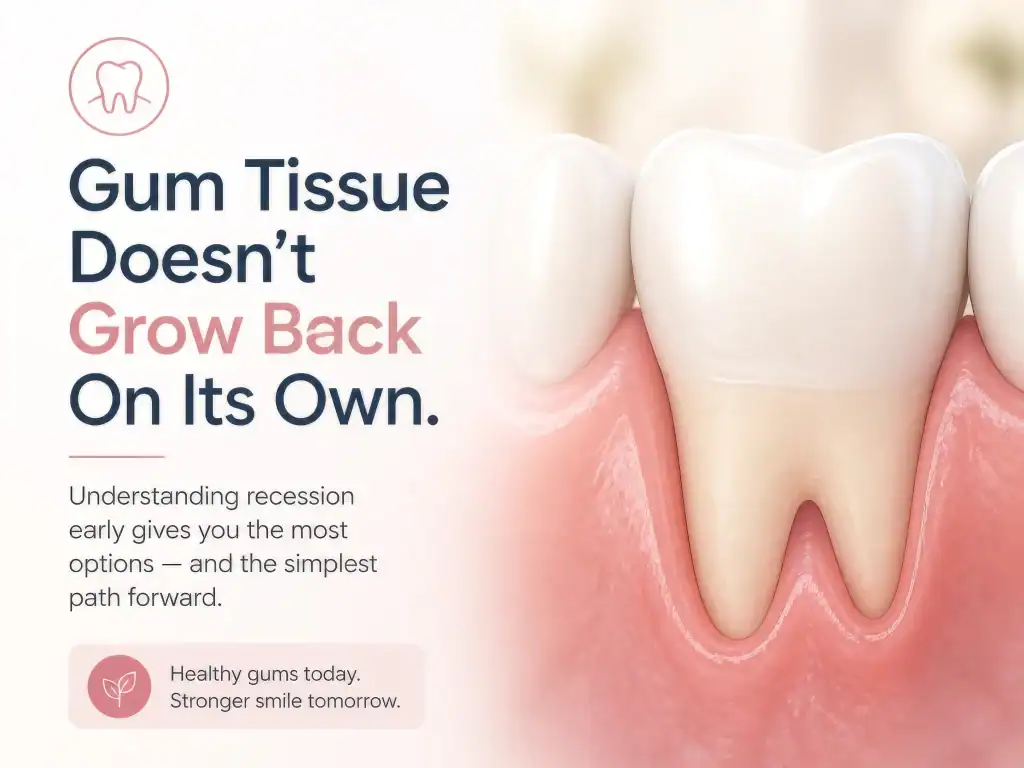
Soft tissue grafting, when needed, is not the dramatic procedure many people imagine. Modern techniques are minimally invasive, recovery is manageable, and the outcome — protected roots, restored gum line, reduced sensitivity — is significant.
If you’ve been sitting with this discomfort and telling yourself it’s probably nothing — you’re not alone. Most people do exactly that. But the fact that you’re reading this means part of you knows it’s time to get some clarity.

This isn’t about jumping into treatment. It’s about understanding what’s happening in your mouth right now, so you can make an informed decision about what comes next. You deserve to feel well. And this is very treatable when addressed promptly.
Ready When You Are
📞 Call Us Directly: Our CarePath team is here to answer your questions — no judgment, no pressure, no clinical overwhelm. Just honest answers from people who understand what you’re going through.
📅 Book A Symptom Assessment: A simple, low-pressure conversation to understand what’s happening and what your options look like. That’s it.